
Bah ouais meaning in French, pronunciation & examples
Learn how to use the informal French expression bah ouais, meaning “well, yeah” or “yeah, of course,” with pronunciation tips, examples, and useful related expressions.

Learn how to use the informal French expression bah ouais, meaning “well, yeah” or “yeah, of course,” with pronunciation tips, examples, and useful related expressions.
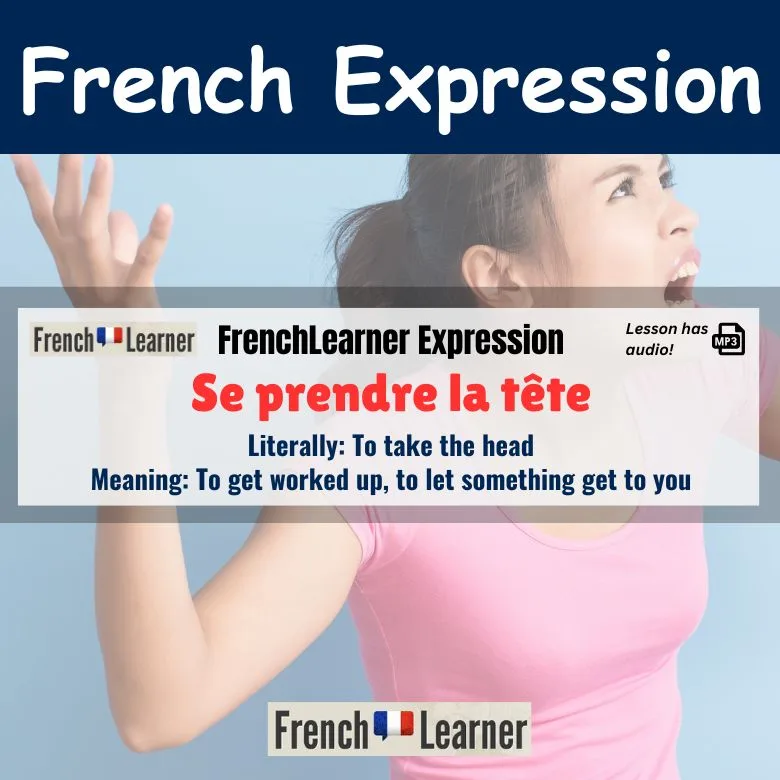
Today we’ll have a look at the colloquial expression se prendre la tête, which translates literally to “to take the head” and means “to get worked up”, “to let something get to you” and “to let something do your head in”.

The French Word of the Day is the commonly used adjective “sublime”, meaning magnificent or wonderful.

Learn how to use the French noun *apogée*, meaning “peak” or “pinnacle,” with pronunciation tips, examples, and useful related expressions.

Today’s French Word of the Day covers the essential beginner word “la plage”, meaning beach.